Mobile Brake Repair Services in Delaware, Ohio
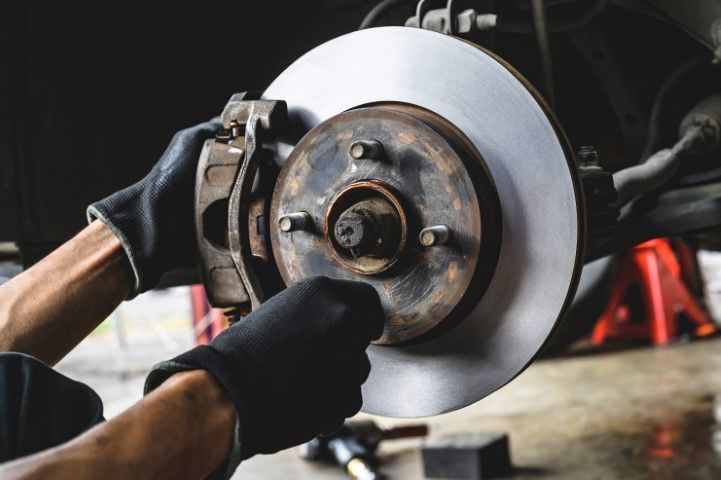

That squealing, grinding, or pulsing feeling when you hit the brakes? It's not just annoying; it's a serious warning sign. Your brakes are your vehicle's most critical safety feature, and ignoring problems can put you and your passengers at risk. Delaware Mobile Mechanic brings expert brake repair directly to you, ensuring your car is safe and reliable on the roads.
What We Cover:
- Oil Change & Routine Maintenance
- Diagnostic Services
- Battery Replacement & Electrical
- Brake Pad Replacement
- Rotor Resurfacing & Replacement
- Brake Fluid Checks & Flushes
- Caliper & Brake Line Service
- Diagnostic Brake Inspections
Why Choose Delaware Mobile Mechanic
When your brakes are acting up, getting to a shop can be a nerve-wracking experience, or even dangerous. We eliminate that worry entirely. Our certified technicians will come to your home, workplace, or any safe location—whether you're near Perkins Observatory or along US-42. We perform comprehensive brake diagnostics and repairs on-site, saving you the hassle, the tow bill, and keeping you safe with minimal disruption to your day.
Our Process
Our mobile brake repair process is designed for maximum efficiency and transparency. First, you'll call us to describe your brake issues. We'll schedule a convenient time to dispatch our fully equipped mobile unit to your location. Upon arrival, our technician will perform a thorough inspection, identify the exact problem, and provide a clear, detailed estimate before any work begins. Once approved, we'll perform the necessary repairs with high-quality parts, test everything, and get you safely back on the road in no time.
Signs You Need Mobile Brake Repair
Don't wait for a complete failure. Your car usually gives you plenty of warning signs that brake service in Delaware, Ohio is needed. If you experience any of the following, it's time to call us for a mobile brake inspection:
- Squealing or Grinding Noises: Often indicates worn brake pads.
- Vibrating Steering Wheel or Brake Pedal: Could mean warped rotors.
- Spongy or Soft Brake Pedal: A sign of air in the lines or a fluid leak.
- Pulling to One Side When Braking: May indicate uneven wear or a stuck caliper.
- Brake Warning Light On: A clear signal from your car's computer.
- Increased Stopping Distance: You feel like your car takes longer to stop.
Addressing these issues promptly protects your safety and prevents more expensive damage.
Our Comprehensive Brake Service Checklist
When you trust us with your brakes, you're getting a thorough and detailed service. Our technicians follow a meticulous checklist to ensure every component of your braking system is inspected and serviced correctly:
- Visual inspection of brake pads and shoes for wear.
- Measurement of rotor and drum thickness.
- Inspection of calipers, wheel cylinders, and brake lines for leaks or damage.
- Checking brake fluid level and condition.
- Lubrication of crucial brake components.
- Adjustment of parking brake if necessary.
- Road test to ensure proper braking performance.
We leave no stone unturned, ensuring your complete confidence in your vehicle's stopping power.
Understanding Different Brake Components & Their Lifespan
Your vehicle's braking system is a complex network of components working in harmony. Each part has a different typical lifespan, which can vary greatly depending on driving habits, vehicle type, and conditions. Here's a quick breakdown:
- Brake Pads: Typically last 25,000 to 70,000 miles. Their primary job is to create friction against the rotors.
- Rotors: Often last 30,000 to 70,000 miles. They are the metal discs that pads clamp onto to stop the wheel.
- Brake Fluid: Should be flushed every 2-3 years. It's hydraulic fluid that transfers pressure from your pedal to the brakes.
- Calipers: Can last 100,000 miles or more, but seals can fail. They house the brake pads and press them against the rotors.
- Brake Lines: Designed to last the life of the car, but corrosion or damage can occur. They carry brake fluid under pressure.
Understanding these helps you recognize when a particular component might be failing.
How Long Do Brake Pads Last, and What Factors Affect Their Wear?
The lifespan of brake pads varies widely, typically between 25,000 and 70,000 miles. However, several factors play a significant role. Aggressive driving, frequent stop-and-go traffic (common on US-23), heavy loads, and even the type of brake pad material can all accelerate wear. Regular inspection during your mobile oil change service can help us monitor their condition. We can advise you on the best pads for your driving style and vehicle, keeping you safe on the roads. Don't compromise on safety! For expert mobile brake repair, call us for immediate service!